

Preparing for the 11+ (and Other Exams)
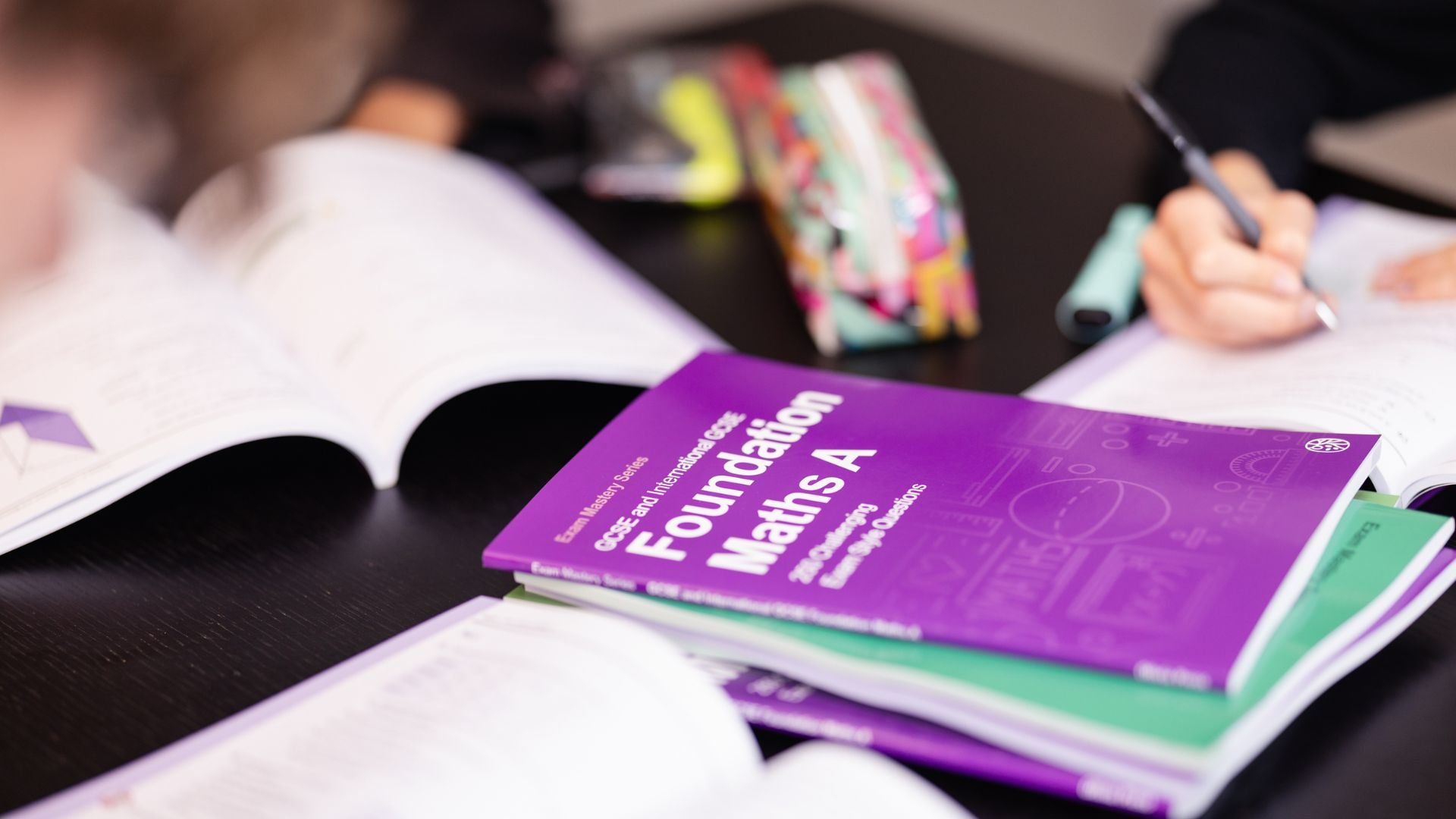
Before I begin, I would like to clarify that the views shared in this guide are based on my personal experience of teaching and preparing students for a wide range of exams. While no single approach can be applied universally, clear patterns emerge year after year. Certain habits, attitudes and strategies consistently increase a child’s chances of success.
Although the 11+ examinations are used as the main example throughout this guide, the advice applies equally well to other entrance exams, GCSEs and beyond.
Before the Exam Journey Begins
Choosing the right school for the right reasons
One of the most important first steps is choosing a school for the right reasons. It is easy to focus on statistics, pass rates and league tables, but these figures rarely tell the full story. Visiting schools with your child, observing the environment and asking yourself whether you can genuinely imagine them thriving there on a daily basis is far more valuable. When a child feels excited and positive about where they are aiming to go, motivation tends to follow naturally.
It is also wise to have more than one option. Exam-day nerves, illness or unforeseen circumstances can affect performance, and having alternatives helps reduce pressure on both parents and children.
Each school has its own admissions process. Some include interviews, mock days or multiple assessment papers. Taking the time to research each school carefully, allows families to prepare with clarity and confidence.
Finally, ensure all key dates and deadlines are clearly recorded in a diary or planner. Organisation at this stage prevents unnecessary stress later on and helps everyone feel more in control of the process, which also then breeds ownership, a key motivator.
Starting Early and Planning Effectively
Starting early and planning effectively makes a significant difference. A well-structured timetable should allow time to:
learn new topics
practise skills
revisit and consolidate knowledge through regular revision
Whether a child is working on fractions, algebra or problem-solving, confidence grows through steady exposure over time — not rushed learning.
Organisation underpins successful preparation. Weekly and monthly plans help maintain focus and reduce anxiety. The clearer the plan, the smoother and less overwhelming the journey becomes.
Devise a Weekly Study Plan
Choose five days in the week for revision. Try to complete work earlier in the day where possible, and prepare resources in advance.
Ask:
Where will you study?
What resources do you need?
What will you do if you feel unsure or stuck?
Having a clear plan prevents wasted time and frustration.
(You may also wish to refer to the structured plans and carefully sequenced questions included in the Olivia Press 11+ Maths Books A & B.)
When Revising, Remember…
Embrace challenge
Challenges should be embraced rather than avoided. Most children sitting the 11+ are well prepared. What often sets students apart is their willingness to engage with more demanding problem-solving questions.
These questions are sometimes avoided because they take longer and feel uncomfortable. However, learning to persist through challenge is a vital skill — both for exams and for life.
Praise effort, not just results
Praise plays an essential role in learning. Recognising effort, perseverance and creative thinking encourages children to keep going when work feels difficult.
Language matters. Shifting from “I can’t do this” to “I’m learning something new” can completely change a child’s relationship with challenge. The same applies to adults. While the 11+ can feel all-consuming, it is important to present it as one step in a longer educational journey, not a defining outcome.
Statements such as “Only 8 out of 10?” or “This is stressing me out” can undermine confidence. Our aim is for children to enter exams believing in themselves.
Maintain balance
Children should continue doing the things they enjoy. Happiness supports learning. Time spent with friends, hobbies and rest is not wasted time — it is essential.
Regular breaks refresh both mind and body. Far from hindering progress, they often improve focus and retention.
Use practice tests wisely
Practice papers are valuable when used under exam conditions. They help develop time management and exam familiarity. However, they should be treated as learning tools, not judgement tools.
The purpose of a practice test is to identify gaps, which can then be incorporated into the study plan. The focus should shift from the score to questions such as:
What did we learn?
What needs more practice?
Problem Solving Takes Time
Problem solving has no shortcuts. It cannot be mastered in one session or by memorising answers. It requires regular exposure, patience and time spent thinking.
Allowing children to feel stuck, make connections and work through uncertainty is a crucial part of learning. These skills extend far beyond exams and are invaluable throughout life.
Preparing for Interviews
Parents often ask what resources they should use to prepare children for interviews. While resources can be helpful, relaxed discussions at home are often more effective.
Talk about:
why they want to attend the school
what they enjoy doing in their free time
their interests, hobbies and favourite subjects
The more natural these conversations feel, the better. Over-rehearsing scripted answers can sometimes do more harm than good. Confidence grows when children feel comfortable being themselves.
What truly stands out is not rehearsed facts, but personality — genuine enthusiasm, curiosity and individuality.
The Power of Reflection
Keeping a dedicated notebook to track learning is extremely effective. Knowing what you know is helpful; knowing what you don’t know is even more powerful.
This notebook might include:
tricky questions
common mistakes
formulas to revisit
reflections after practice sessions
At the end of each study period, even five minutes of reflection makes a difference. Simple prompts include:
I need to revise…
Drawing a diagram helped me…
I now feel confident with…
Reflection builds independence, self-awareness and purposeful study habits.
Regular Recaps and Emotional Readiness
Regular recap sessions — weekly or every few weeks — are essential for retention. These can be short and varied, focusing on previously challenging areas.
Every child should also have a simple calm-down strategy for moments of stress. This might include slow breathing, counting to ten or taking a sip of water. Practising these strategies during learning means they can be used instinctively in exams.
Revision should always balance challenge, practice and consolidation. A clear structure incorporating all three makes learning more manageable and effective.
Above all, remember that you are supporting a 10–11 year old child. Positive, encouraging language is non-negotiable. Confidence grows where children feel supported, understood and believed in.
Advice for Exam Day
The night before the exam should be calm and reassuring. A good night’s sleep is far more valuable than last-minute revision.
Pack everything needed in advance so the morning feels relaxed. Plan something enjoyable after the exam to give children something positive to look forward to.
Once the exam is finished, avoid analysing it. What is done is done.
Arrive neither too early nor too late. Long waits can increase anxiety; rushing creates stress.
Encourage children to focus only on their own paper. Comparing progress with others wastes time and energy.
Finally, children should trust themselves and their instincts. Confidence and self-belief are skills that extend far beyond the exam hall.
