

Can’t find what you’re looking for? Let us know!
Articles
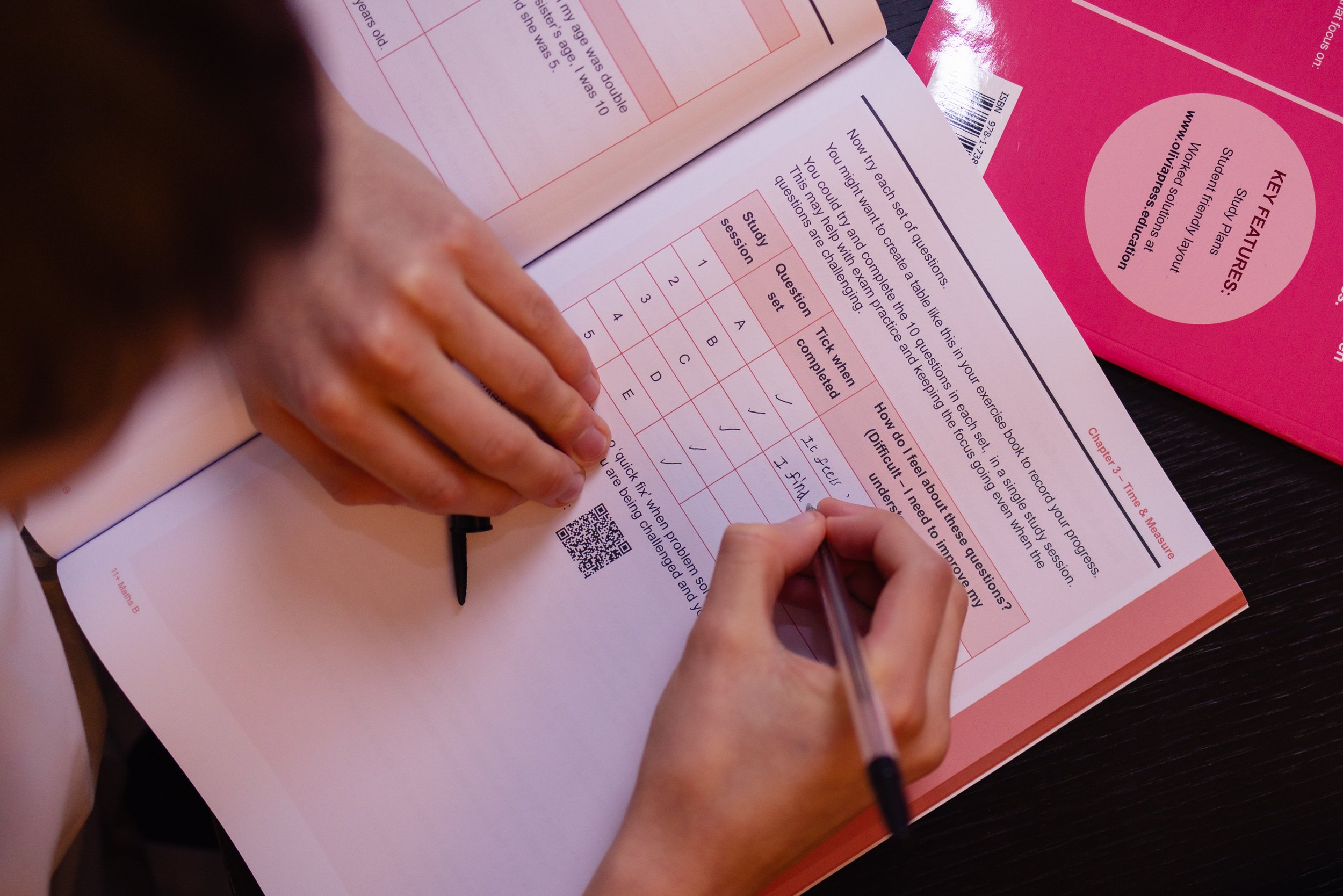
Time Management for the 11+: What to do when practice papers take too long
When practice papers are taking too long, I try to diagnose the root cause of the delay. Here are the four main reasons why the clock wins, and exactly how you can help your child build vital 11+ exam stamina.

How the Exam Mastery Series Gives Me a True Summer Break (And Keeps My Tutoring Business Growing)
Behind the scenes, many of us spend our final teaching weeks frantically curating resource packs, formatting bespoke worksheets, and hunting down rare practice questions to keep parents happy over August.
This year, I’m doing things differently.
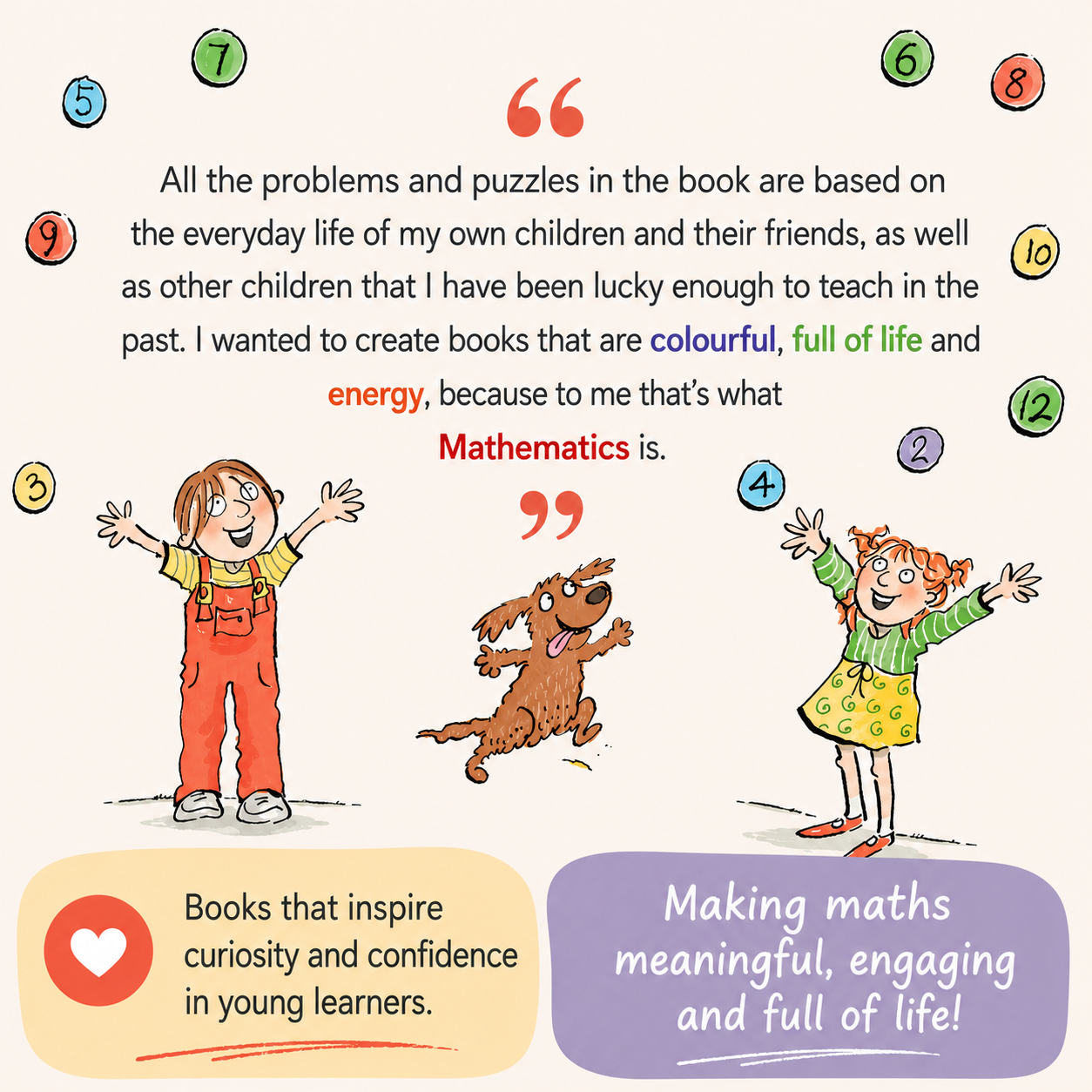
The Story Behind the Primary Series: The Worded Maths Books I Just Couldn't Find
I wanted children to see that mathematics is not something that exists only inside classrooms and exam papers. Maths is everywhere. My goal was to create inclusive primary maths books that all children could enjoy, bridging the gap for those who love reading and those who don’t, and supporting those who excel at maths alongside those who find it challenging.

Why Your Child's Maths Struggle Might Actually Be a Reading Problem (And How to Fix It for the 11+)
Because 2026 is officially the Year of Reading, schools and national campaigns are heavily focused on getting children to pick up books for pleasure. But as a tutor, I see another completely different benefit: strong reading skills are the absolute foundation of passing an 11+ Maths paper.
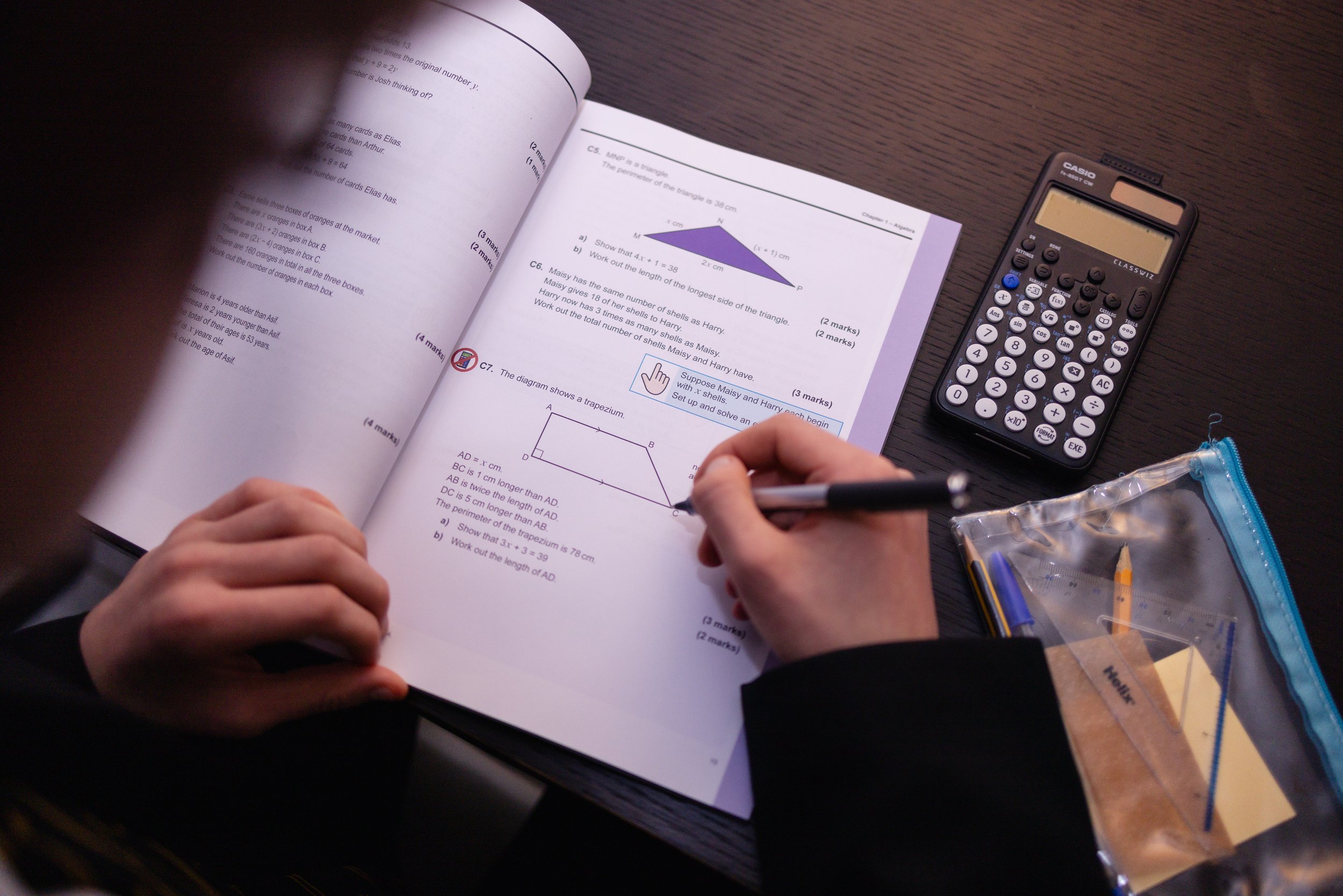
GCSE Maths Paper 2: What to Revise for the Calculator Exam
I always tell my own students this week: nobody can predict exactly what a specific exam board will do. However, by looking at what already appeared on Paper 1 and analyzing years of past trends, we can be incredibly strategic about our revision.

GCSE Maths: What to Revise When Time is Short
After 17+ years in the classroom, I want to share a secret: success now is about strategy, not stress!

The Night Before GCSE Maths: A 7 PM – 9 PM Success Routine
Here’s my advice on what to do the night before the maths GCSE exam, to ensure things go as smoothly as possible on the day!

What Students Wish They Knew Before Their Exams: Wisdom from the Class of 2026
Every April, I ask my GCSE and A-Level students a simple question: "What advice would you give to someone just starting your course?"
They are brutally honest about what helps and what is a waste of time. Here is the unfiltered advice from the Class of 2026 for the next generation of students.
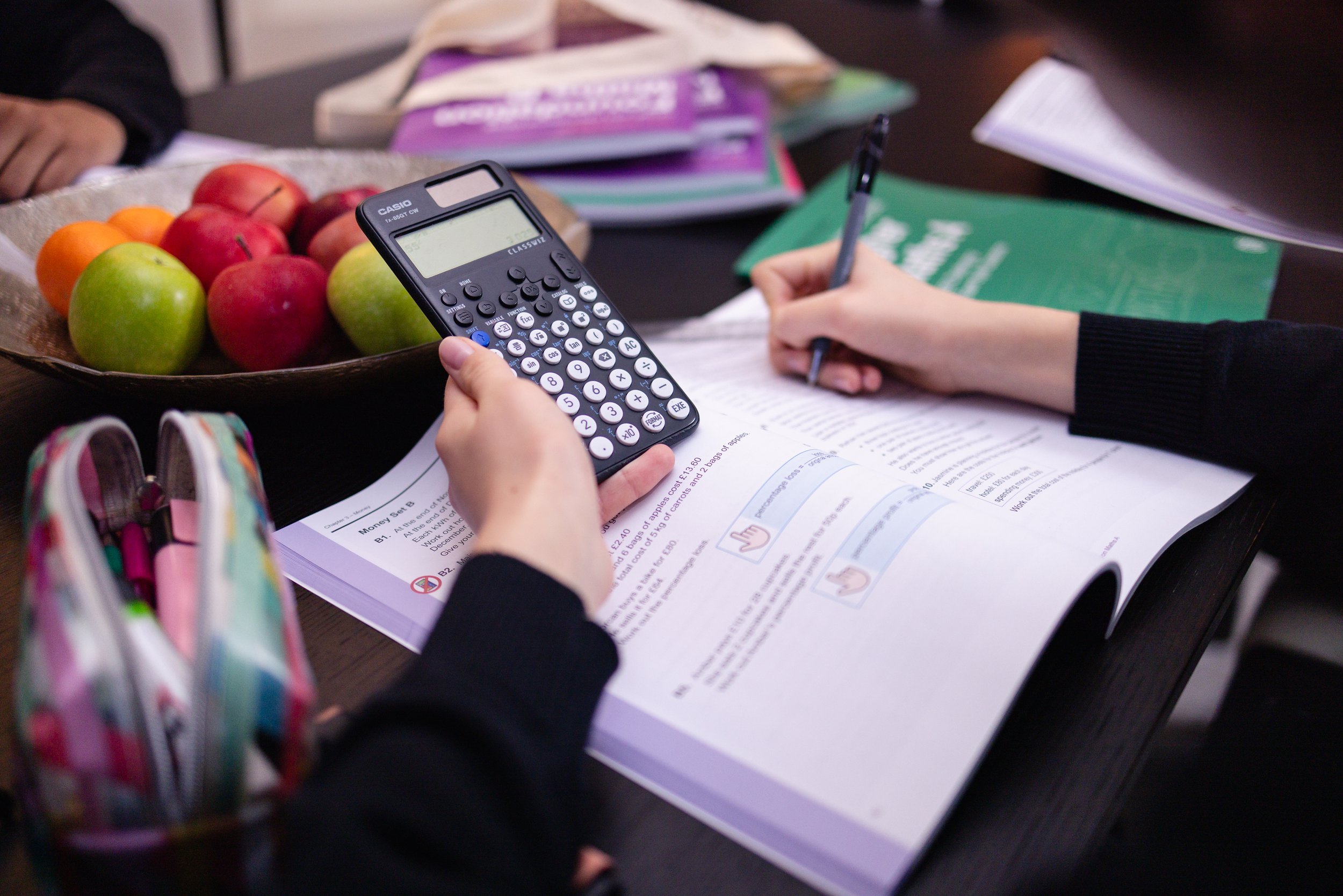
GCSE Maths: How to Master the Non-Calculator and Calculator Papers
It is a mistake to think the calculator paper is "easier." While the calculator handles the arithmetic, the questions are often much more complex to interpret.

Parent FAQ: How Much Should Children Study Over Easter?
If your child has mocks or final exams looming, the Easter break can feel like a lot of pressure. The most common question I get from parents and students alike is: “How much revision should I actually be doing?”

Foundation or Higher? The Ultimate GCSE Maths Dilemma
One of the most common questions I get from parents and students is: “Should we choose Foundation or Higher for GCSE Maths?”
This decision usually lands in Year 10 or at the start of Year 11, and it can feel understandably heavy.
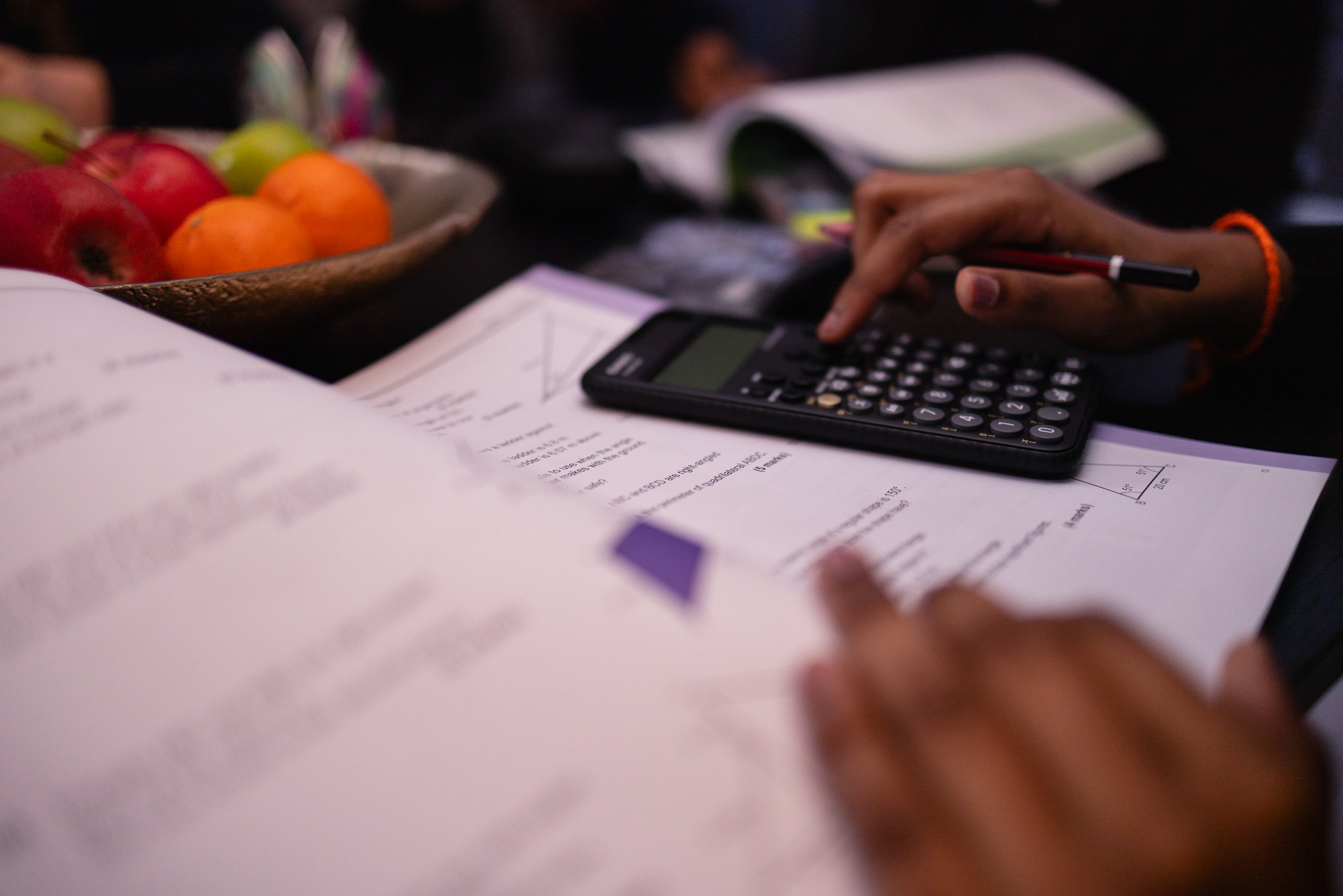
The 4-Mark Secret: How to Study Smarter for GCSE Maths
How can you use statistics to plan effectively? What type of questions does your child need to excel at to achieve their target grade?

GCSE Maths Mock Results: How to Respond
Is it realistic to move up one, two, or even three grades in around 15 weeks? The short answer is yes. With the May exams roughly 15 weeks away, there is still time to make a significant difference.

Why We Need to Let Students Struggle (A Weekend with the Experts)
I was reminded how important it is to push myself and to feel genuinely stuck, both mathematically and pedagogically. As educators (and parents), we often teach what feels safe and familiar. But real learning happens when you struggle.

Three Things You Can Do That Will Set You Up for Exam Success – Without Doing Any Studying!!
Here are three simple things you can do that don’t involve learning new content, but will make exam preparation in 2026 feel calmer, more structured, and far more achievable.
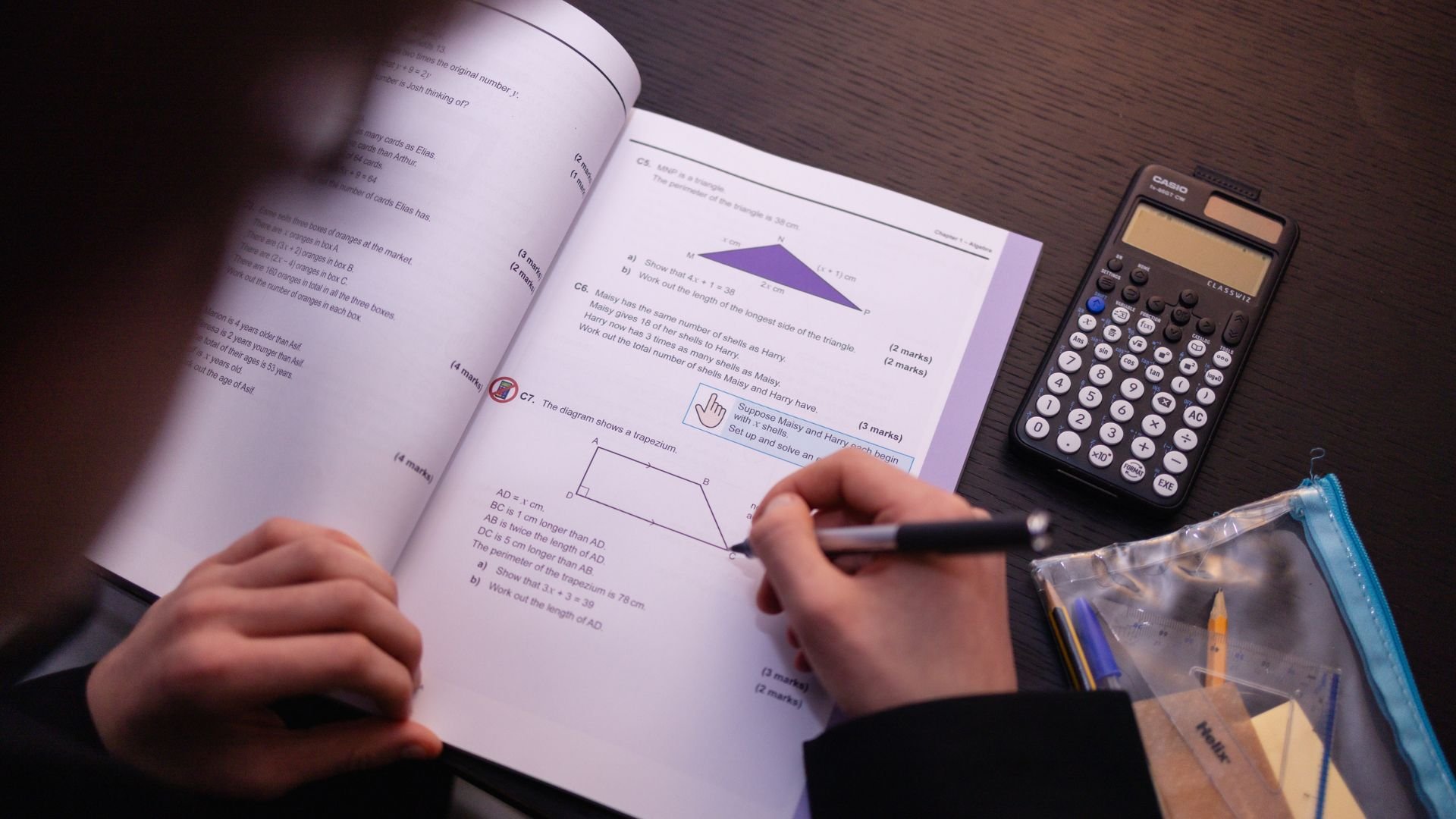
Why students lose marks even when they “know the maths”
Based on my teaching experience, here are ten common reasons students lose marks, and what can be done to stop it happening.
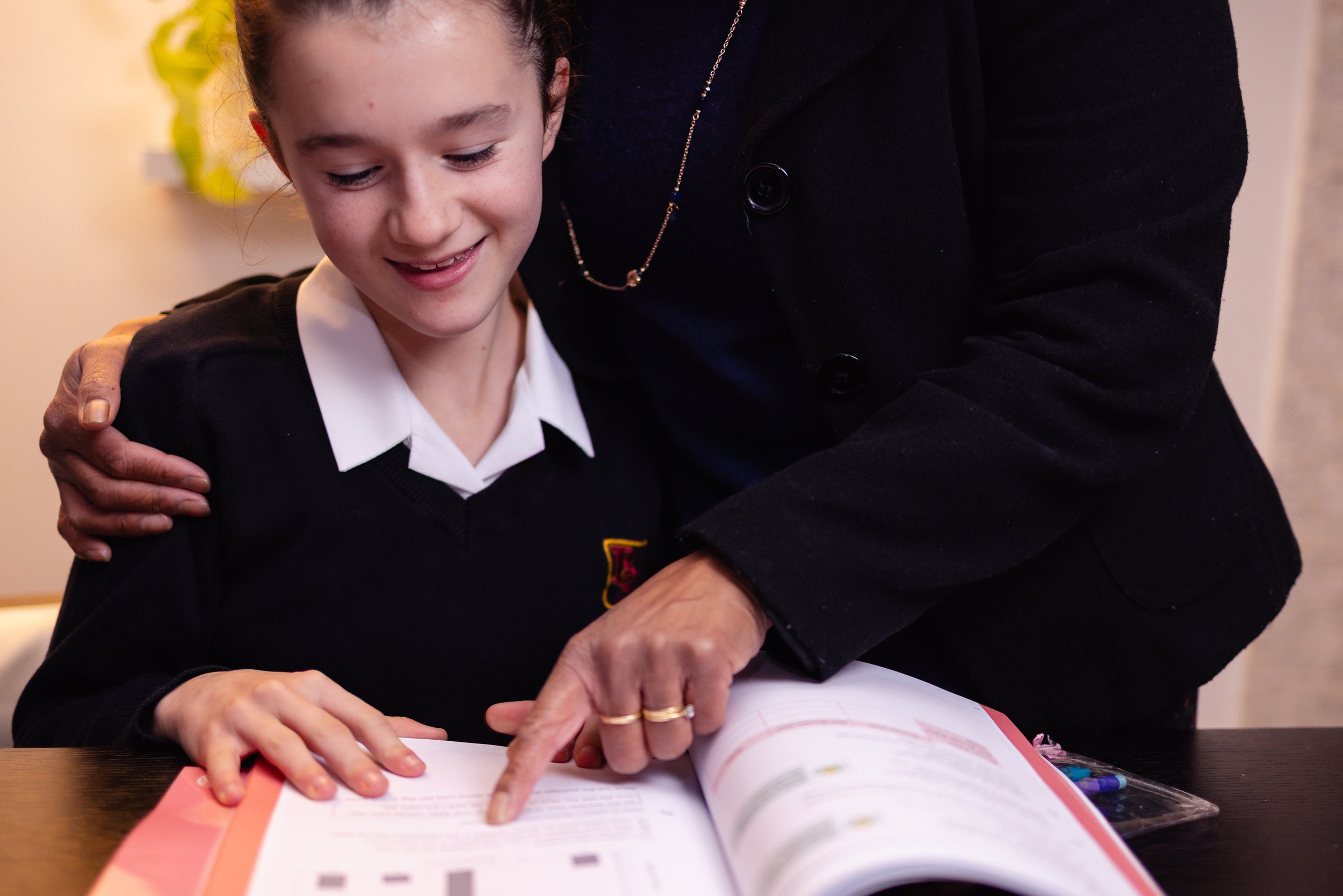
Preparing for the 11+ (and Other Exams)
Revision should always balance challenge, practice and consolidation. A clear structure incorporating all three makes learning more manageable and effective.